
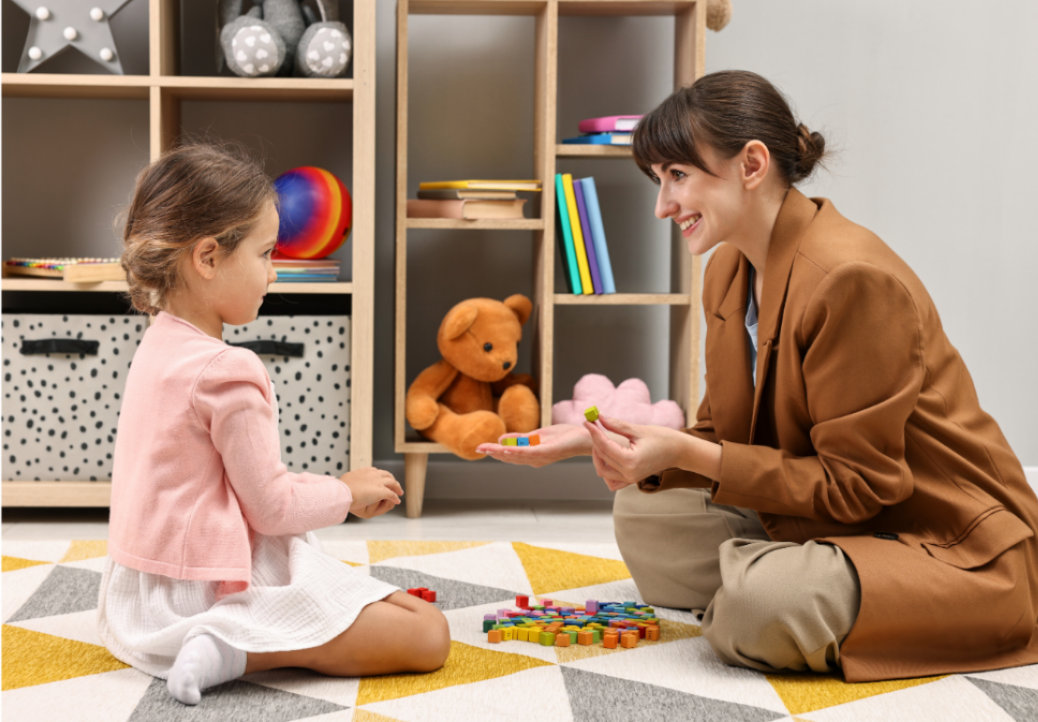
According to the Centers for Disease Control and Prevention (CDC), pediatric autism affects about 1 in 31 children in the United States. Although autism is common, understanding and awareness are not always as widespread. Autism plays a major role in a child’s development, influencing how they learn, communicate, and interact with the world around them. Recognizing signs early can help families better understand and support their child’s unique needs.
What is Pediatric Autism?
Autism Spectrum Disorder (ASD) is a developmental condition that affects how children communicate, interact socially, and learn. Because it’s a spectrum disorder, every child’s experience, symptoms, and level of support needed can vary widely. Autism isn’t a disease but a difference in how the brain develops and processes information. Recognizing signs early can help reduce challenges and support each child’s growth and development.
Recognizing Early Signs
Early recognition of symptoms can help families seek guidance and understanding sooner. Some common signs or patterns that parents and caregivers might notice include:
● Limited eye contact or difficulty with social cues
● Repetitive movements or routines
● Speech or communication delays
● Strong reactions to sensory input (lights, textures, sounds)
Not every child with autism will show the same signs, and some may have strengths that balance out challenges. By recognizing potential indicators early, families can consult professionals to discuss next steps and supportive interventions.
Supporting Children with Autism
Supporting Children with Autism
With understanding and support, many children with autism thrive in their own ways, going on to live happy and fulfilling lives. While it’s best to consult with a professional when discussing a child’s experience with ASD, caregivers can provide everyday support by:
● Creating predictable routines
● Encouraging communication in ways that work best for the child
● Being patient and celebrating small progress
Small steps of support can make a big difference in helping children feel safe, understood, and confident.
Why Understanding Matters
Understanding autism in children benefits both the child and the family. Although awareness has grown, stigma and misunderstanding still exist. Through education, awareness campaigns, and community support, we can help children with autism and their families feel seen, included, and valued. Bringing awareness early on helps promote better understanding and acceptance for everyone involved.
Moving Forward with Understanding
Autism affects many children today, in school, at home, and in social settings. Every child’s experience is unique, and recognizing their individual strengths helps create a more inclusive and supportive environment. By promoting understanding and awareness about pediatric autism, parents, families, and communities can make a meaningful difference in how children grow, connect, and thrive.