
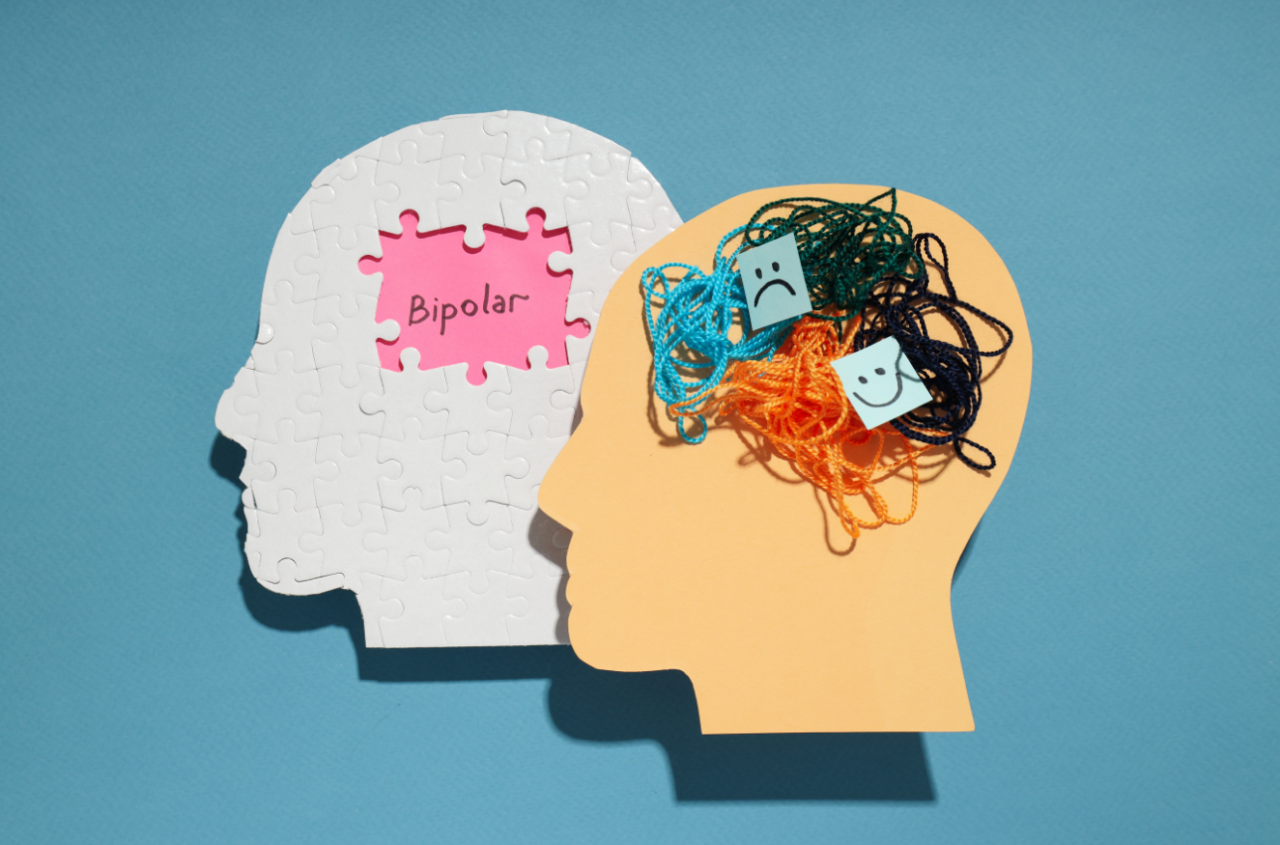
When people hear about bipolar disorder, many often have a skewed or unclear idea of what bipolar disorder actually is. Bipolar disorder is a mental health condition that can cause significant changes in a person’s mood, energy, activity levels, and concentration. These changes can have a large impact on a person’s everyday life. From work to social activities, bipolar disorder can create challenges that can affect daily routines and overall well-being. While everyone experiences changes in mood, bipolar disorder involves distinct mood episodes that vary in frequency and severity. Understanding the condition can help provide a clearer picture of what bipolar disorder can look like.
What is Bipolar Disorder?
Bipolar disorder involves significant changes in mood, energy, and activity levels that can occur during distinct episodes. These episodes can include mania, hypomania, and depression. Mania involves a period of elevated or irritable mood, increased energy, and a decreased need for sleep. Hypomania is a less severe form of mania. Depressive episodes can involve sadness, fatigue, loss of interest, difficulty concentrating, and feelings of hopelessness. The frequency, severity, and combination of episodes can vary from person to person.
Common Types of Bipolar Disorder
There are several types of bipolar disorder, with the most common types including:
- Bipolar I disorder is characterized by manic episodes that last at least seven days or are severe enough to require hospitalization. Depressive episodes can also occur, but they are not required for a diagnosis of bipolar I disorder.
- Bipolar II disorder disorder involves both hypomanic episodes and depressive episodes. It is characterized by at least one major depressive episode and at least one hypomanic episode, which is a milder form of mania.
- Cyclothymic disorder involves recurring episodes of hypomanic and depressive symptoms that do not meet the full criteria for hypomanic or depressive episodes. These symptoms occur for at least two years in adults
What Causes Bipolar Disorder?
While there are several factors that contribute to the risk of developing bipolar disorder, there is no single known cause. The Mayo Clinic notes that a combination of factors may play a role, including biological differences and genetics. Bipolar disorder can run in families, but having a family member with bipolar disorder does not necessarily mean someone will develop it. Researchers are still actively studying brain structure and function to better understand how bipolar disorder develops.
Signs and Symptoms
Bipolar disorder symptoms can differ between people and may change over time. According to the Cleveland Clinic, symptoms can occur differently depending on the type of mood episode. During a manic or hypomanic episode, someone may experience increased energy, a decreased need for sleep, racing thoughts, talking fast, or increased involvement in activities. During depressive episodes, people can experience low mood, loss of interest in activities, fatigue, and changes in sleep.
Bipolar Disorder Clinical Research
Research continues to advance our understanding of bipolar disorder and explore potential new treatment approaches. Clinical trials provide researchers with an opportunity to study how investigational treatments may work and gather information about their safety and effectiveness. At Excell Research, we conduct clinical trials for conditions such as bipolar disorder. If you’d like to learn more about participating in one of our bipolar studies, visit our bipolar disorder page to see if you may qualify.