
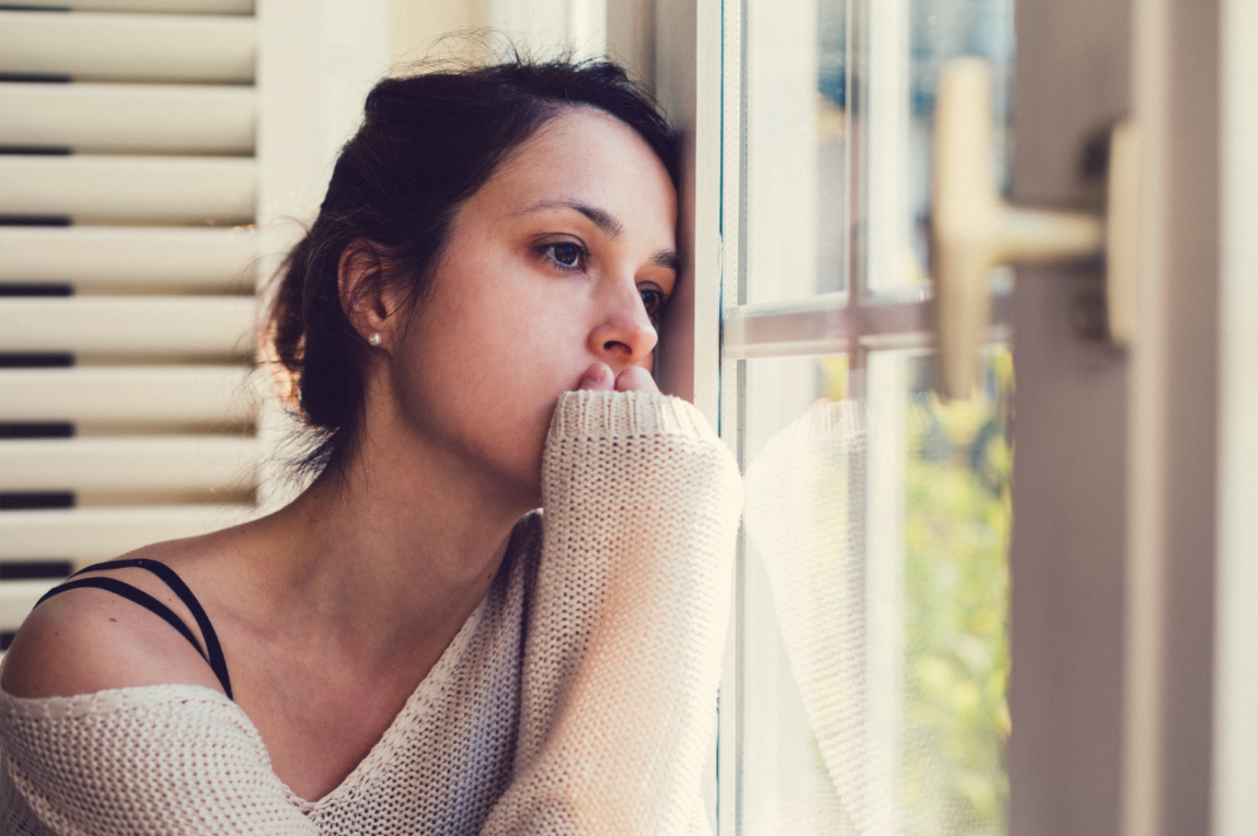
Depression is often portrayed as sadness, crying, or staying in bed, but it doesn’t always look like that. It doesn’t follow one script. People experience depression in many different ways, and many signs aren’t visible from the outside. Understanding what depression really feels like helps reduce stigma and builds compassion for the individuals and communities who navigate it
It’s Not Always Sadness
Depression can involve sadness, but for many people, it shows up differently. It can feel like emptiness, numbness, or a sense of being disconnected from your own emotions. Some people describe it as not feeling down, but feeling nothing at all. Others lose interest in activities they once enjoyed or feel like they’re moving through life on autopilot. These experiences are just as real as the stereotypical signs, even if they’re quieter or harder to see.
You Can Still Function
For some, depression can disrupt everyday life in obvious ways. But for many others, it’s invisible. You can go to work, show up for loved ones, and socialize like your usual self, while feeling drained, overwhelmed, or disconnected internally. This is often called “high-functioning” depression. The outside world may see someone who’s capable and put-together, but inside, they’re carrying a heavy emotional load. This form of depression deserves the same understanding and support as any other.
Small Tasks Feel Big
Depression can drain a person’s energy in ways that aren’t always obvious. Everyday tasks such as texting back, doing chores, and everyday decision making can feel overwhelming or exhausting. What looks like procrastination or laziness from the outside is often the depression itself, lowering energy, focus, and motivation. When these small tasks pile up, it can make someone feel even more discouraged, creating a cycle that deepens the depression rather than reflecting a lack of effort.
Irritability
Irritability is another way depression can show up, even though it’s not a symptom people usually associate with it. Individuals with depression may feel more easily frustrated, overwhelmed, or short-tempered, even if they aren’t naturally that way. This shift is often misunderstood, but it’s a real part of how depression affects a person’s emotional energy and stress tolerance. Depression can change how someone feels and reacts, not because they’ve become a different person, but because they’re carrying a heavy internal load. Irritability is simply another expression of that struggle.
Sleep & Energy
Depression can also show up through changes in sleep and energy. Many people sleep far more than usual, while others struggle to sleep at all. These shifts can disrupt daily routines and make it harder to keep up with work, school, or social life. These sleep changes are closely tied to the fatigue that often comes with depression, a kind of exhaustion that rest alone doesn’t always fix. Even with plenty of sleep, a person may still feel drained, unfocused, or worn down. Sleep disruptions aren’t a sign of laziness or lack of effort. They’re part of how depression affects the body and mind, and they can make everyday functioning feel much harder
Isolation
Depression can also create a deep sense of isolation, even when someone is surrounded by people they care about. A person may be physically present with friends or loved ones, yet internally feel alone or disconnected. It’s not about avoiding others; it’s the emotional weight of depression making it harder to feel understood, engaged, or connected. Many individuals describe feeling “separate” from the world around them, as if they’re alone with their thoughts even in a crowded room. This sense of isolation is a real part of depression, and it reflects the internal struggle, not a lack of desire for connection.
Looking Beyond the Stereotypes
Depression doesn’t look the same for everyone. For some, the familiar signs such as sadness, crying, and loss of interest are present. For others, depression shows up in quieter, less recognizable ways. Understanding these different experiences matters. Not everyone fits the stereotypical picture of depression, and many people navigate symptoms that are subtle, internal, and easy to overlook. When we broaden our understanding of what depression can look like, we create more space for compassion, reduce stigma, and support healthier conversations about mental health. Recognizing depression beyond the stereotypes helps us better understand and support the people who live with it every day.